सनातन धर्म - Eternal Library
Books from time beyond
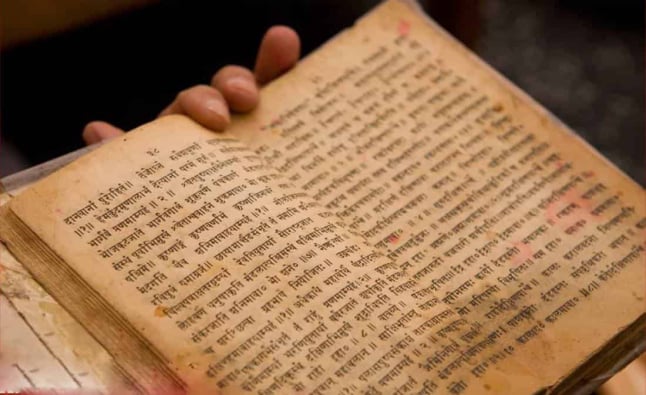
VEDAS
The foundational hymns of Sanatan Dharma, the Vedas are the sacred sound vibrations that carry cosmic wisdom and ritual knowledge.
They form the eternal bedrock upon which the spiritual and philosophical traditions stand.
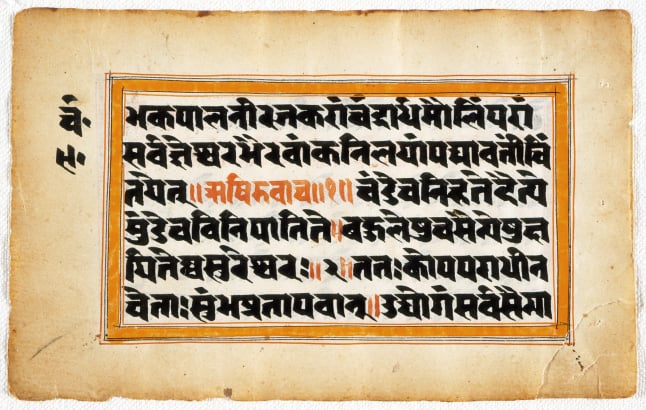
PURANAS
Ancient texts weaving stories of gods, cosmos, and dharma, the Puranas preserve timeless mythologies that guide moral and spiritual living.
They illuminate the eternal dance of creation, preservation, and transformation within the universe.
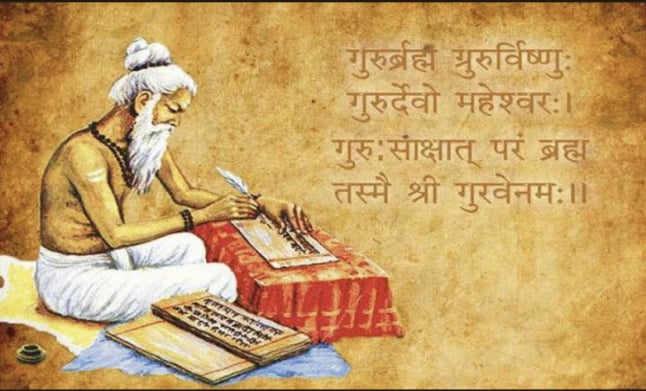
UPNISHAD
Mystical scriptures revealing the inner essence of reality, the Upanishads guide seekers toward self-realization and the ultimate truth—Brahman.
They invite us to transcend the senses and discover the boundless spirit within.
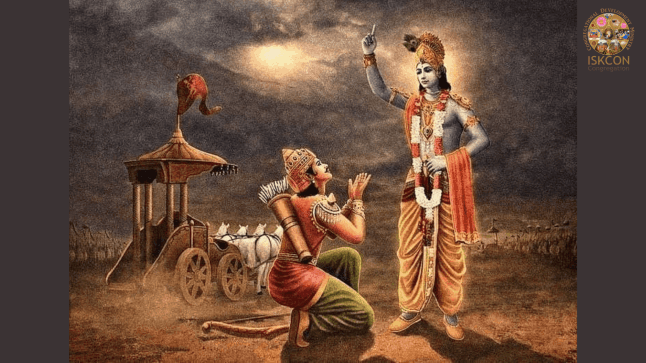
BHAGAVAD GITA
A divine dialogue between Krishna and Arjuna, the Gita offers profound teachings on duty, devotion, and the path to liberation.
It is a timeless guide illuminating how to live with purpose, clarity, and spiritual insight amid life’s challenges.